The National Football League (NFL) is a juggernaut of professional sports, captivating millions with its thrilling games and dynamic athletes. Beyond the touchdowns and tackles, however, lies a complex financial architecture that dictates the very composition of every team: the NFL Salary Cap. Often a mystery to casual fans, understanding this intricate system is crucial to appreciating the strategic depth of roster management, free agency frenzies, and the pursuit of competitive balance across all 32 franchises. It’s not just about signing the best players; it’s about signing them smartly, a high-stakes game of financial chess played by general managers and front offices.
The Foundation of Fair Play: What is the NFL Salary Cap?
At its core, the Salary Cap NFL is a "hard cap" system that imposes a strict limit on the total amount each team can spend on player salaries in a given season. Unlike some other major sports leagues that utilize a "soft cap" with numerous exceptions, the NFL's system is designed to create a more level playing field, ensuring that financial might doesn't solely dictate on-field success. For the 2025 season, the cap is set at a substantial $255.4 million per team, with projections for the 2026 season reaching an even higher $301.2 million. These figures aren't arbitrary; they are the result of meticulous calculations.
The annual NFL salary cap is directly tied to the league's overall revenue streams. This includes lucrative television contracts, significant ticket sales, merchandise royalties, and vast sponsorship deals. Each year, the cap is adjusted to reflect the league's financial performance, a process agreed upon by both the NFL owners and the NFL Players' Association (NFLPA) through the Collective Bargaining Agreement (CBA). This agreement dictates how the league's revenues are split, ensuring a fair allocation that influences the cap's trajectory.
But the cap isn't just a ceiling; it also has a floor. The NFL mandates a "salary floor," requiring teams to spend a minimum percentage of the cap over a multi-year period. This critical provision prevents teams from simply pocketing profits without investing adequately in their rosters. The multi-year calculation offers teams flexibility in their spending cycles, allowing for strategic rebuilding phases while still committing to long-term competitiveness. Ultimately, the hard cap and salary floor work in tandem to foster genuine competitive balance, making every offseason a fascinating battle of wits and resources.
Navigating the Numbers: How the NFL Salary Cap Works
The mechanics of the Salary Cap NFL are more nuanced than a simple spending limit. Teams cannot exceed the cap, except in very rare, specific circumstances, making shrewd financial management paramount. The effective cap space a team possesses is a critical metric, derived from a straightforward formula: Team Salary Cap - Active Cap Spending - Dead Money = Effective Cap Space. Active cap spending refers to the salaries of players currently on the roster that count against the cap, while dead money accounts for cap hits from players no longer with the team (which we'll delve into shortly).
Moreover, the "effective cap space" isn't just the raw number; it's what a team truly has available after accounting for minimum roster requirements (typically 51 players counting towards the cap on game day) and signing its rookie class from the NFL Draft. This distinction is crucial when evaluating a team's offseason flexibility. A team with $50 million in "raw" cap space might only have $20 million "effective" cap space after these necessary allocations.
Smart teams also benefit from the league's "rollover" provision, which allows them to carry over unused cap space from previous seasons. This incentivizes fiscal responsibility and efficient roster building, rewarding franchises that manage their cap wisely with additional flexibility in subsequent years. For a deep dive into the strategic moves teams employ, check out this comprehensive resource: NFL Hard Cap System: From Rules to Savvy Roster Building Strategies.
Teams employ a variety of sophisticated strategies to manage and create cap space:
- Restructuring Contracts: This common tactic involves converting a player's base salary into a signing bonus. While the player receives the money upfront, the cap hit for the signing bonus is spread out over the remaining years of the contract, providing immediate cap relief for the current season. The drawback, however, is that it pushes larger cap hits into future years.
- Releasing or Trading Players: High-salary players can be cut or traded to free up significant cap space, though this often comes with the cost of dead money.
- Front-loaded vs. Back-loaded Contracts: Teams can structure contracts to have higher cap hits early (front-loaded) or later (back-loaded) in the deal, depending on their current and projected cap health.
- Performance-Based Incentives: Certain incentives (e.g., reaching Pro Bowl, hitting specific statistical milestones) might not count against the cap until they are actually earned, offering a way to add talent without immediate cap burden.
The Weight of the Past: Understanding Dead Money
Perhaps one of the most frustrating and often misunderstood aspects of the Salary Cap NFL is "dead money." This term refers to salary cap charges that remain on a team's books for players who are no longer on their active roster. It's a direct consequence of the guaranteed money and signing bonuses prevalent in NFL contracts.
Dead money primarily occurs when a team releases or trades a player who has guaranteed money or unamortized (unaccounted for) signing bonus remaining on their contract. A signing bonus, while paid upfront to the player, is prorated evenly across the length of the contract for cap purposes. If a player is cut before their contract expires, any remaining prorated signing bonus immediately accelerates onto the current year's cap. This creates "dead cap space," a financial obligation that directly reduces a team's ability to sign new players or retain existing ones. It's the cost of past commitments haunting the present.
Consider the strategic dilemma: a team might have an underperforming player with a large cap hit. Releasing them might save cash, but the dead money hit for that season could be substantial, potentially even higher than keeping them on the roster. Teams like the New York Jets and Miami Dolphins, as seen in recent seasons, have grappled with heavy dead cap hits, which significantly constrict their short-term plans and dictate their offseason moves. This burden forces difficult choices: absorb the dead money now to free up future flexibility, or keep an undesirable contract on the books for another year.
Savvy general managers carefully weigh the immediate cap hit against the long-term benefits of moving on from a player. Sometimes, taking a large dead money hit is a necessary evil to reset the roster, clear the way for younger talent, or position the team for a healthier cap situation in subsequent years.
Offseason Chess Match: Strategies for Cap Success & Free Agency
The NFL offseason is often referred to as a "mad scramble" for a reason. With the new league year kicking off annually around mid-March, free agency officially begins, unleashing a torrent of player movement and contract negotiations. For many fans, this period, culminating in the NFL Draft, is as exciting as the season itself, as teams vie to improve their rosters. However, not all buyers are created equal; a team's NFL Salary Cap: How Teams Navigate Space, Dead Money & Free Agency dictates their power.
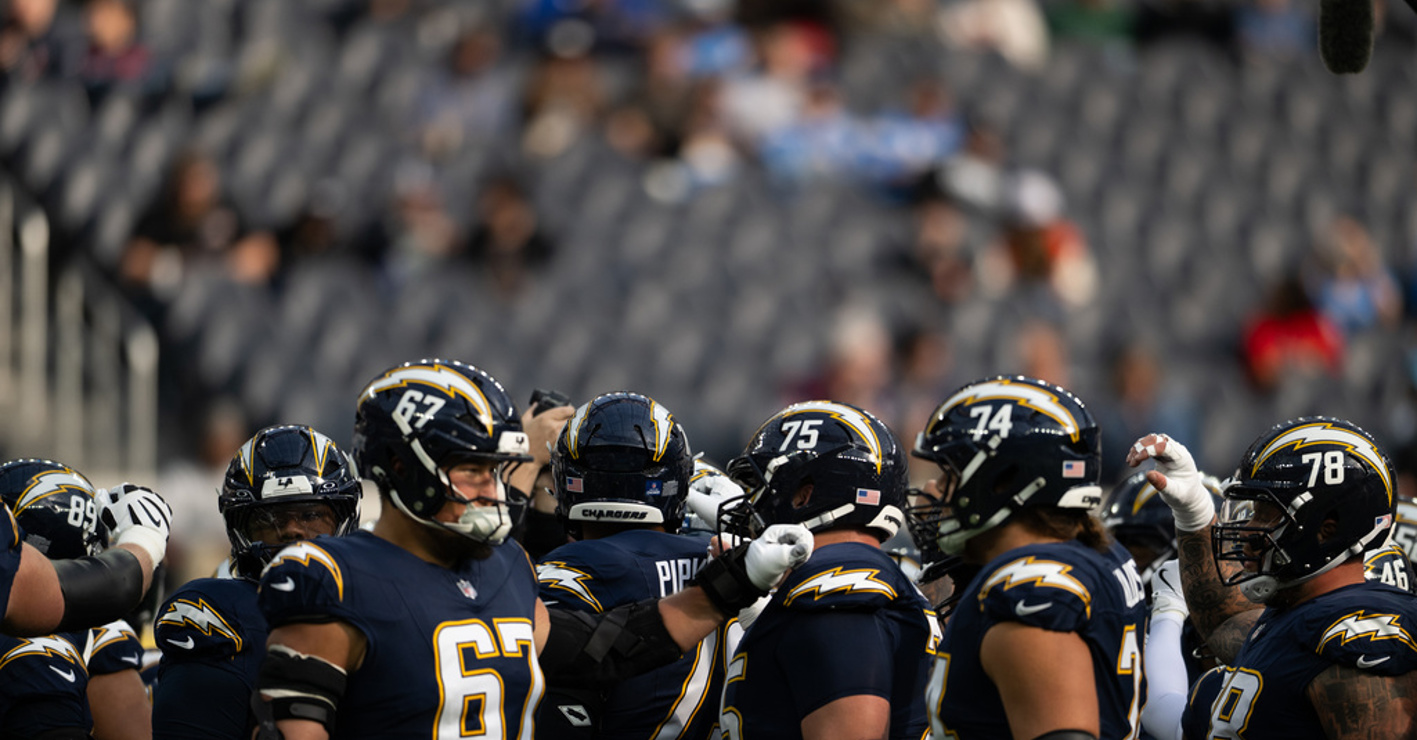
Teams enter the offseason in vastly different cap positions. Some, like the Tennessee Titans, Los Angeles Chargers, and Las Vegas Raiders, often find themselves with substantial cap space, affording them significant leverage in the free-agent market. They can target top-tier players, offer competitive contracts, and dictate terms. This allows them to "control the market," selectively pursuing players who fill critical roster holes.
Conversely, teams like the Dallas Cowboys or Minnesota Vikings frequently operate "deep in the red" or with minimal cap space. Their offseason strategy shifts dramatically from acquiring to retaining and shedding. For these franchises, the early offseason is dominated by urgent tasks: identifying players to cut for cap savings, even if it means accepting dead money, and meticulously restructuring contracts to create immediate breathing room. These early moves are not just about opening space; they're about making payroll compliant before the new league year officially begins.
The art of restructuring is particularly vital for cap-strapped teams. It's a double-edged sword: it offers immediate relief, allowing a team to sign a key free agent or extend a star player. However, it also pushes larger cap obligations into the future, potentially handcuffing a future regime or necessitating further restructures down the line. It's a delicate balance of managing present needs against future flexibility.
For fans, understanding these dynamics enriches the experience of following their favorite team. When a team surprisingly releases a veteran player, it's often a calculated cap move. When they sign a high-profile free agent, it's a testament to their careful cap management, effective use of carryover, or a bold restructuring strategy. Coupled with draft capital, cap space is one of the two most powerful currencies in the NFL offseason, dictating a team's potential to ascend or remain competitive.
Conclusion
The Salary Cap NFL is far more than a simple financial constraint; it's the invisible hand guiding the league's competitive balance and shaping its yearly drama. From its foundational principles rooted in league revenues and the CBA to the complex strategies of contract restructuring and the unavoidable reality of dead money, every aspect plays a crucial role in team building. Understanding how teams navigate these hard limits, leverage cap space, and strategize through the offseason chess match provides a deeper appreciation for the intricate business side of professional football. As the league continues to grow, so too will the cap, constantly presenting new challenges and opportunities for teams striving for gridiron glory.