The NFL is a league defined by its exhilarating athleticism, strategic brilliance, and the perennial hope of championship glory. Behind every spectacular play and every hard-fought victory lies an intricate financial framework: the NFL Salary Cap. Far more than just a fiscal limit, the salary cap is the invisible hand guiding team building, dictating offseason moves, and ensuring a competitive balance that is unique among major sports leagues. Understanding how teams navigate this complex system – managing cap space, the looming specter of dead money, and the frenetic pace of free agency – is key to appreciating the strategic depth of professional football.
Unlike other sports, the NFL operates under a stringent "hard cap" system. This means there's a strict limit to what each of the 32 teams can spend on player salaries in a given season, with very few exceptions. This design fosters parity, preventing super-teams from dominating solely through financial might and forcing every franchise to be a savvy operator in the economic game of roster construction. For the 2025 season, the salary cap is set at an impressive $255.4 million per team, a figure that continues to climb, projected to reach $301.2 million by the 2026 season. These numbers aren't arbitrary; they are meticulously calculated based on the league's vast revenues, including lucrative television deals, ticket sales, merchandise, and sponsorships, with the final split agreed upon between the owners and players' union under the Collective Bargaining Agreement (CBA).
Understanding the NFL Salary Cap: A Hard Limit for Competitive Balance
At its core, the NFL Salary Cap is designed to level the playing field. While leagues like the NBA employ a 'soft cap' with numerous exceptions that allow for spending beyond the limit (often through luxury taxes), the NFL's 'hard cap' is a steadfast barrier. This structure compels every general manager and coaching staff to make difficult financial decisions that directly impact their on-field product.
The cap isn't just about how much teams can spend; it also dictates a minimum. A crucial component of the system is the salary floor, which mandates that teams spend a minimum percentage of the cap over a multi-year period. This prevents owners from simply pocketing profits and ensures consistent investment in the roster, contributing further to competitive integrity. This multi-year calculation offers teams some flexibility, allowing them to under-spend slightly in one year to create more space in another, as long as they meet the aggregate floor over the specified period.
The consistent growth of the salary cap, from $255.4 million in 2025 to a projected $301.2 million in 2026, reflects the NFL's robust financial health. This increasing pool of money gives teams more room to maneuver, but also raises the stakes for every contract signed and every strategic cap decision made.
Navigating the Cap: Strategies for Maximizing Space and Roster Talent
Operating within a hard cap system requires ingenious financial maneuvering. NFL teams employ a range of sophisticated strategies to create crucial cap space, which can then be deployed to sign free agents, extend star players, or absorb the costs of an unforeseen roster shift. These aren't just accounting tricks; they are fundamental tools for building and sustaining a competitive roster year after year.
- Restructuring Contracts: One of the most common and effective methods involves converting a player's base salary into a signing bonus. While the base salary is paid over a single season and counts entirely against that year's cap, a signing bonus is prorated over the life of the contract (up to five years). This immediately reduces the current year's cap hit, pushing those charges into future seasons. It's a powerful short-term solution, but it comes with a long-term caveat: it creates more future dead money liability if the player is released before the contract expires.
- Releasing or Trading Players: The most straightforward, albeit often painful, way to create cap space is by parting ways with high-salary veterans. Releasing a player before their contract is up often frees up significant cap room, but it frequently triggers dead money charges (which we'll explore next) that can offset some of the savings. Trades can also be used to move a player's contract off the books, potentially avoiding some dead money if the receiving team takes on the full remaining salary.
- Front-Loaded and Back-Loaded Contracts: Teams can structure contracts to concentrate higher cap hits in earlier years (front-loaded) or later years (back-loaded). Front-loaded deals offer more flexibility in the future if a player declines, while back-loaded deals minimize initial cap impact, allowing for immediate spending, but creating larger cap commitments down the line.
- Performance-Based Incentives: Certain incentives are classified as "Not Likely To Be Earned" (NLTBE) and do not count against the cap until they are actually achieved. This allows teams to include attractive performance clauses without immediate cap impact, offering potential value to players without the same financial risk for the team.
- Carry-Over Cap Space: Teams are permitted to roll over any unused cap space from the previous season into the current year. This provision rewards prudent financial management and provides additional flexibility, allowing teams to save up for a big free-agent splash or to create a buffer for unexpected roster needs.
These strategies underscore the fact that managing the NFL Salary Cap is a perpetual chess match, requiring foresight, risk assessment, and a deep understanding of future roster needs. Successful teams excel not just at finding talent, but at fitting that talent within the confines of the cap, often by drafting well to secure cost-controlled players, reducing the reliance on expensive free agents.
The Shadow of Dead Money: When Past Decisions Impact Future Flexibility
Perhaps no concept in NFL finance is as misunderstood or impactful as dead money. This refers to salary cap charges for players who are no longer on a team's active roster. It's a painful reminder of past investments that continue to weigh on current and future cap flexibility, often forcing teams to make difficult decisions or endure lean financial years.
Dead money primarily arises in two scenarios:
- Guaranteed Money: When a player is released, any remaining guaranteed base salary or roster bonuses must still be paid out and count against the cap.
- Unamortized Signing Bonuses: This is the most significant contributor to dead money. As mentioned, signing bonuses are prorated over the life of the contract. If a player is released before their contract concludes, any unallocated portions of that signing bonus accelerate onto the current year's cap. For example, if a player signs a four-year deal with a $20 million signing bonus (prorated at $5 million per year) and is released after year one, the remaining $15 million ($5 million for years 2, 3, and 4) immediately hits the cap as dead money in the year of their release.
The presence of substantial dead cap space can severely hamstring a team's ability to compete in free agency or sign their own players to extensions. Teams like the New York Jets and Miami Dolphins have recently faced significant dead cap hits, which directly impacted their short-term plans by limiting their ability to add top-tier talent. It's a stark illustration of how contract structure and risk assessment at the time of signing are paramount. A player's performance isn't the only factor; their cap implications loom large over every roster decision.
The Offseason Scramble: Free Agency, Roster Building, and Effective Cap Space
The NFL offseason kicks off with an annual flurry of activity, none more captivating than the free agency frenzy. When the new league year begins (typically in mid-March), teams can officially sign free agents to new contracts, signaling a dramatic shift in the competitive landscape. However, not all teams enter this period with equal footing. Their available cap space, coupled with existing roster commitments, dictates their strategy.
To accurately assess a team's spending power, it's crucial to understand "effective cap space." This isn't just a simple calculation of total cap minus current active spending. Effective cap space accounts for the real-world necessities: the cost of signing a minimum of 51 players to fill out the roster and allocating funds for the team's incoming rookie class. This provides a more realistic picture of what a team truly has available to spend on external free agents or internal extensions.
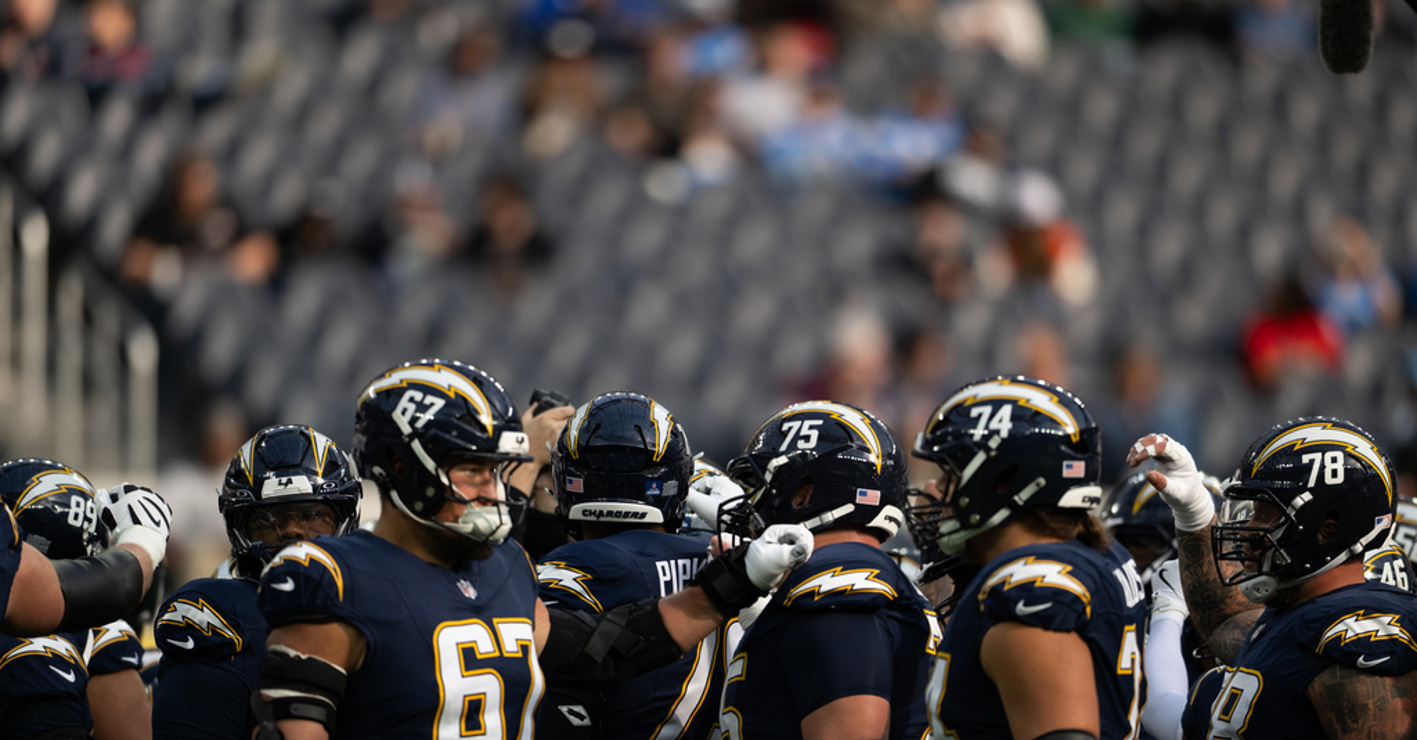
Teams find themselves on opposite ends of the spectrum as free agency approaches. Franchises like the Tennessee Titans, Los Angeles Chargers, and Las Vegas Raiders have recently boasted significant effective cap space, positioning them to be major players in the free-agent market. They can target premium talent, fill key roster holes, and dictate terms. Conversely, teams like the Dallas Cowboys and Minnesota Vikings have frequently found themselves "in the red," meaning they are projected to be over the cap. For these teams, the offseason begins with a series of tough decisions: cutting high-salary veterans (and absorbing potential dead money), aggressively restructuring contracts, or even trading players to get under the limit before the new league year officially begins. The size of a team's current roster also impacts flexibility; a team with 60+ players already under contract, even if theoretically under the cap, has less room to add new talent without making additional cuts.
The interplay of cap space, draft capital, and a team's philosophical approach determines their success in this critical period. Some teams prioritize financial flexibility to make big splashes, while others focus on drafting and developing talent, using their cap space more opportunistically. It’s a delicate balance that defines the league’s economic ecosystem.
Conclusion
The NFL Salary Cap is far more than an accounting constraint; it is a fundamental pillar of the league's structure, driving competitive balance and forcing constant innovation in roster management. From understanding the hard cap's limits and the annual adjustments based on league revenues to mastering the strategies of contract restructuring and navigating the pitfalls of dead money, every decision has profound implications. The dynamic dance between creating cap space, assessing dead money hits, and seizing opportunities in free agency defines the offseason and ultimately shapes a team's fortunes on the field. In the high-stakes world of professional football, success isn't just about talent; it's about the shrewd, strategic mastery of the salary cap.