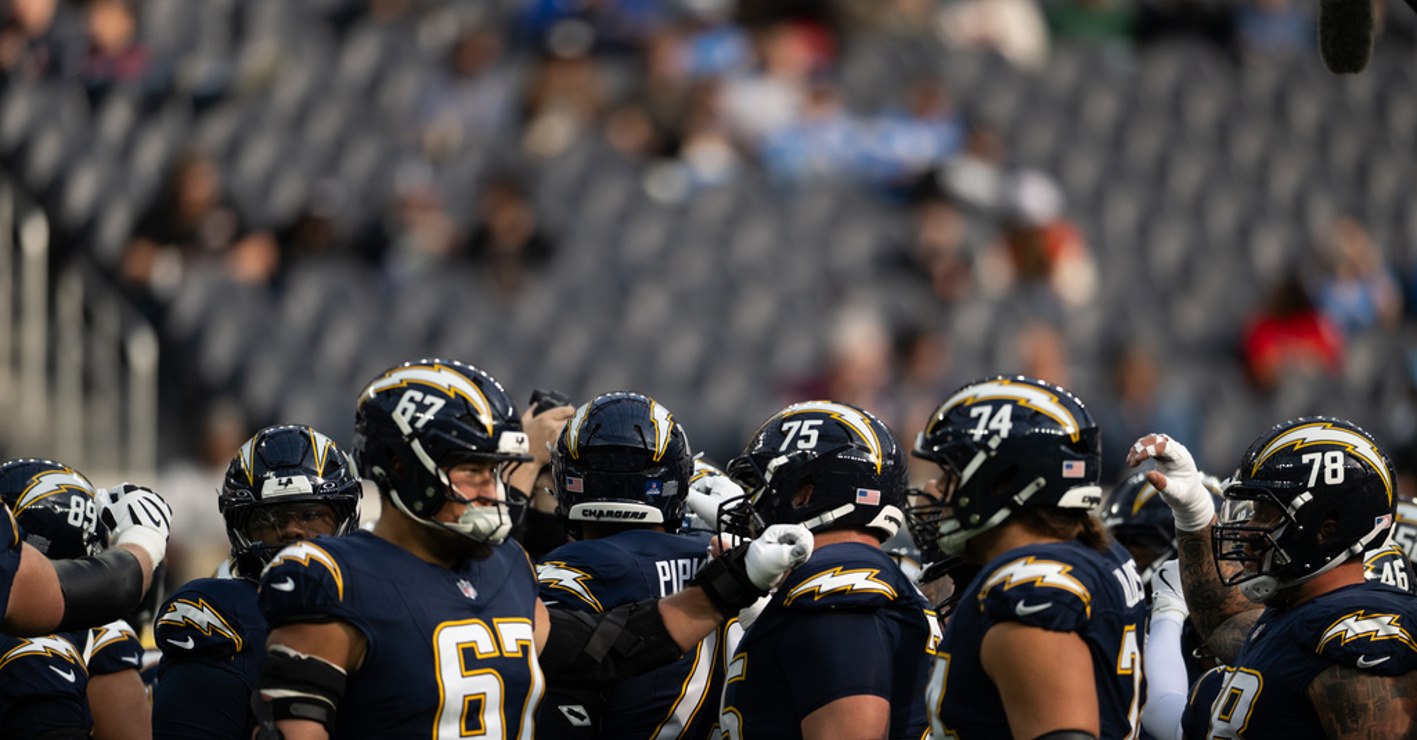
Understanding the NFL Hard Cap System: The Foundation of Competitive Balance
The National Football League (NFL) operates under one of the most stringent financial systems in professional sports: the hard salary cap. Unlike leagues with "soft caps" that allow teams to exceed limits through luxury taxes or specific exceptions, the NFL's **Salary Cap Nfl** imposes a strict ceiling on the total amount each team can spend on player salaries in a given season. This fundamental principle is the bedrock of competitive balance across all 32 franchises.
For instance, the salary cap saw significant growth, reaching $255.4 million per team for the 2025 season and projected to climb further to $301.2 million by 2026. These figures aren't arbitrary; they are meticulously calculated each year based on a comprehensive assessment of league revenues. This includes lucrative television contracts, ticket sales, merchandise, and various sponsorships. A key player in this calculation is the Collective Bargaining Agreement (CBA), which dictates how these revenues are split between the team owners and the NFL Players' Association, ensuring transparency and fairness in the cap's annual adjustment.
Beyond just a spending limit, the NFL also enforces a salary floor, a minimum percentage of the cap that teams *must* spend over a multi-year period. This ingenious rule prevents owners from simply pocketing profits without investing in their on-field product. It ensures that every team is committed to fielding a competitive roster, fostering a league-wide effort towards excellence rather than financial stagnation. This multi-year window for the salary floor offers teams vital flexibility, allowing them to rebuild or strategically save cap space without immediately falling afoul of the spending minimum.
Decoding the NFL Salary Cap: Hard Limits, Dead Money & Strategies further elaborates on these crucial financial parameters.
Deconstructing Dead Money and Cap Space Dynamics
Navigating the NFL's hard cap system requires more than just adherence; it demands sophisticated financial acumen from every front office. While the cap is strict, teams employ a diverse array of strategies to manage, create, and optimize their cap space. Understanding these mechanisms is key to appreciating the complex art of roster building in the NFL.
The Persistent Shadow of Dead Money
Perhaps no term causes more consternation for NFL general managers than "dead money." This refers to salary cap charges attributed to players who are no longer on a team's active roster. Dead money typically arises when a team releases or trades a player who still has guaranteed money or unamortized signing bonuses remaining on their contract. The moment a player is cut, any remaining guaranteed salary becomes an immediate cap charge for the current year. Similarly, signing bonuses, which are paid upfront but prorated over the life of the contract for cap purposes, accelerate onto the cap in full when a player is no longer with the team.
The impact of dead money is significant. It creates "dead cap space," effectively reducing the team's available funds to sign new players. While sometimes unavoidable, strategically incurring dead money can be a deliberate choice, often dubbed "ripping off the band-aid," to clear significant future cap liabilities and reset a team's financial outlook.
Ingenious Strategies for Creating Cap Space
Given the constraints, NFL teams have developed several proven methods to free up valuable cap space:
- Restructuring Contracts: This is one of the most common and immediate ways to create space. Teams often convert a player's base salary for the current year into a signing bonus. While the player receives the money upfront, the signing bonus is then prorated over the remaining years of the contract. This significantly reduces the current year's cap hit but pushes larger cap charges into future seasons, essentially "mortgaging the future" for present flexibility.
- Releasing High-Salary Players: The most drastic, and often painful, method is releasing players with large salaries. While this usually incurs some dead money, the freed-up base salary can still provide net cap relief, especially for veterans nearing the end of their prime whose production no longer matches their cap hit.
- Performance-Based Incentives: Certain incentives are classified as "Not Likely To Be Earned (NLTBE)" based on a player's previous year's performance. These incentives do not count against the cap until they are actually earned, offering a way to reward performance without immediate cap impact.
- Contract Design (Front-Loaded vs. Back-Loaded): Teams can negotiate contracts that are either front-loaded (higher cap hits in early years) or back-loaded (higher cap hits in later years). Front-loaded deals offer more flexibility down the line but require more cap space initially, while back-loaded deals can create immediate cap space but accumulate future liabilities.
- Carry-Over Provisions: A crucial incentive for fiscal responsibility, the NFL allows teams to carry over unused cap space from one season to the next. This rewards teams that manage their cap wisely, providing them with additional flexibility in subsequent offseasons for free agency or extensions.
Understanding the exact "effective cap space" for a team involves a simple formula: the total team salary cap minus active cap spending (players on the current roster) minus dead money. This calculation, along with accounting for minimum roster sizes and rookie contracts, reveals what a team truly has to spend. For more on these intricate maneuvers, see
NFL Salary Cap: How Teams Navigate Space, Dead Money & Free Agency.
Savvy Roster Building: Strategies Beyond the Surface
The NFL offseason kicks off with an annual "mad scramble" of activity, particularly as the new league year begins and free agency officially opens (historically around mid-March). This period showcases the culmination of months, if not years, of strategic financial planning, driven by each team's unique cap situation.
Teams approach the offseason in vastly different financial positions. Some, like the Chargers, Titans, or Raiders in recent years, often find themselves with substantial cap space, affording them the luxury to be aggressive shoppers in the free-agent market. They can target premium talent, fill roster holes with proven veterans, and dictate market prices. On the other hand, teams like the Cowboys or Vikings sometimes find themselves "deep in the red," significantly over the projected cap. Their offseason strategy shifts dramatically, focusing on tough decisions: releasing high-salary veterans, meticulously restructuring contracts, or even trading players to get under the limit. These teams must act early and decisively, often before free agency even begins, just to become cap compliant.
The Philosophical Divide: Draft and Develop vs. Free Agency Frenzy
A team's approach to the **Salary Cap Nfl** often reflects its overarching roster building philosophy. "Draft and develop" teams prioritize acquiring talent through the draft, signing their homegrown stars to extensions, and only selectively dipping into free agency for complementary pieces. This strategy emphasizes long-term stability, minimizes dead money by avoiding expensive veteran cuts, and typically allows for more consistent cap health.
Conversely, some teams adopt a more aggressive "free agency frenzy" approach, actively pursuing marquee free agents to accelerate a rebuild or push for a Super Bowl window. While potentially yielding immediate results, this path often involves taking on larger contracts with more guaranteed money, increasing the risk of future dead money hits if players don't perform or injuries strike. Balancing these two philosophies is the ultimate challenge for any general manager.
Moreover, the size of a team's roster can also impact flexibility. Teams that carry a high number of players, especially those with significant cap hits for non-starters, inherently limit their maneuverability. This emphasizes the need for efficient roster management, ensuring that every dollar spent translates into valuable on-field production.
Navigating the Long Game: Avoiding "Cap Hell" and Building Sustainable Success
The immediate gratification of signing a big-name free agent or restructuring multiple contracts to create current-year space can be intoxicating. However, consistently pushing cap charges into future years can lead to what NFL insiders refer to as "cap hell" – a situation where a team has massive future liabilities and limited flexibility to improve its roster without incurring crippling dead money hits.
Successful NFL franchises understand that effective cap management is a long game. It involves a delicate balance between maximizing the present competitive window and ensuring future financial health. This requires foresight, strategic contract negotiations, and a willingness to make tough personnel decisions. GMs must constantly evaluate player performance against their cap hit, project future cap increases, and anticipate market trends for player salaries. The goal isn't just to be cap compliant, but to optimize the use of every cap dollar, ensuring that the team is always in a position to compete, whether through retaining key talent, acquiring new stars, or simply having the flexibility to navigate injuries or unexpected departures.
Conclusion: The Ever-Evolving Art of NFL Financial Management
The NFL's hard **Salary Cap Nfl** system is far more than a simple financial restriction; it's a dynamic puzzle that drives competition, innovation, and strategic thinking at every level of team management. From the intricate rules governing its calculation and the impact of dreaded dead money, to the ingenious strategies teams employ to create cap space, the system constantly challenges front offices to find new ways to build and sustain competitive rosters. It's a testament to the league's commitment to competitive balance, ensuring that every team, regardless of market size, has a fair shot at championship glory, making the offseason financial chess match as compelling as the action on the field.